


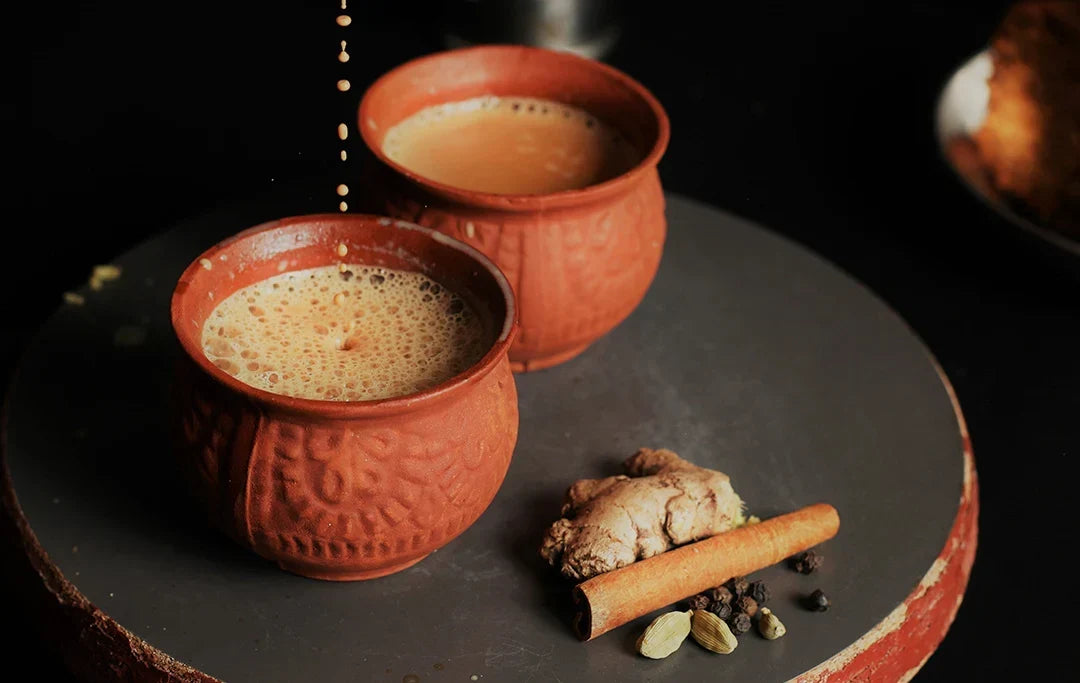
There is a sound that means something in almost every Indian home. The clink of a steel pan hitting the stove, water starting to bubble, and someone in the kitchen calling out "chai banau?" Doesn't matter if it's 6 AM before college, a stressful day at work, or your grandmother's kitchen during the monsoon. Chai shows up. It's not really a beverage at that point. It's a small pause built into the day.
What most of us never stop to ask is what's actually happening inside that cup beyond the taste. Turns out, quite a lot. Masala chai isn't just black tea with milk and sugar. It's a mix of spices that Ayurveda has used for centuries, and modern research is slowly catching up to explain why they work the way they do.
Here's an honest look at what's really going on in your cup of masala chai, spice by spice, without the exaggerated claims you'll find on most tea blogs.
The Benefits Of Masala Chai
1. It Helps Settle Your Stomach
Ginger is the spice doing most of the work here. It contains gingerol, a compound that has been studied for helping food move through the stomach more smoothly and easing nausea and bloating. Cardamom backs it up. Ayurveda has called it the "queen of spices" for good reason, it has carminative properties that calm an uneasy stomach after a heavy meal.
This is probably why chai after lunch feels like the right move even if you can't explain why. Your gut agrees with the timing.
2. It Supports Your Immune System
Cloves, cinnamon, and ginger all carry antioxidant and antibacterial properties. Cloves specifically contain eugenol, which has been studied for its anti-inflammatory effect and its role in easing minor aches. None of this means chai replaces medicine when you're actually unwell. But as a daily habit, these spices are quietly doing more for your body than sugar and caffeine alone ever could.
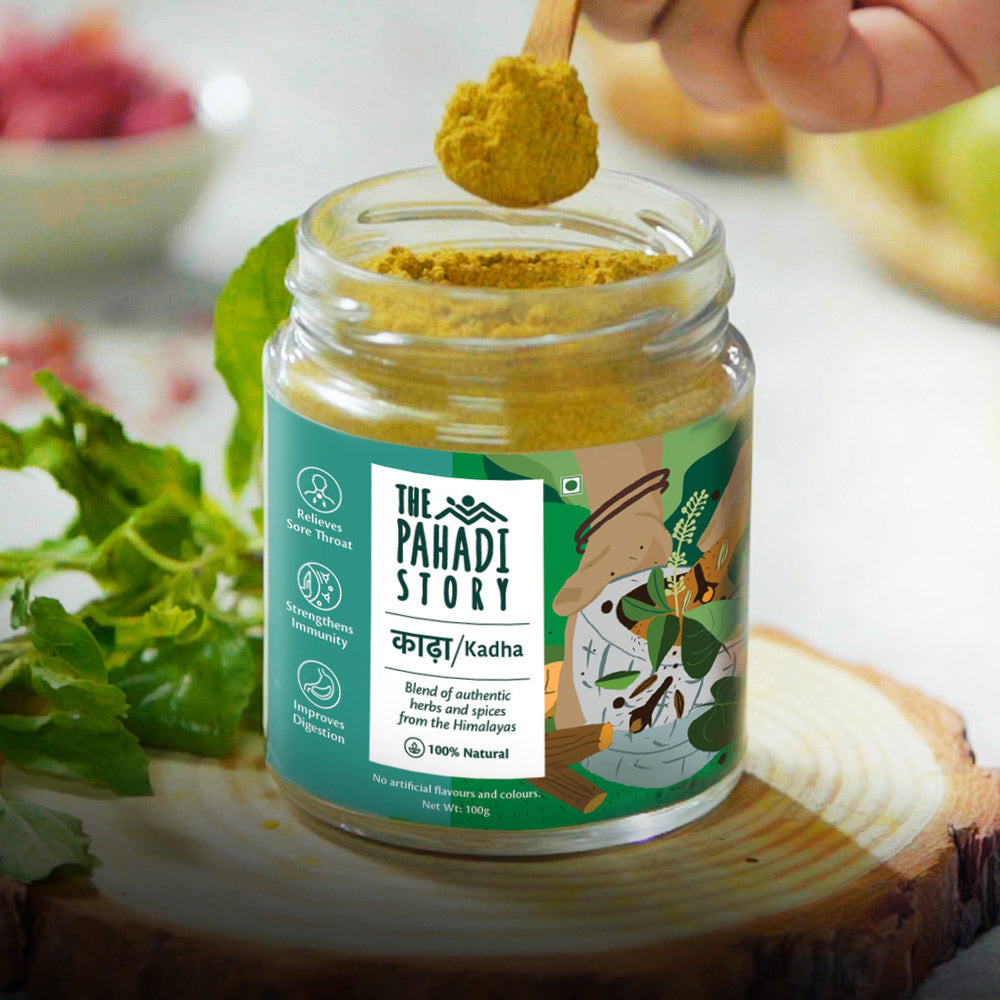
If you're looking for something with a sharper immunity focus during flu season, our kadha is built specifically for that, while masala chai works better as an everyday, lower-intensity habit.
3. It May Ease Everyday Inflammation
Chronic low-grade inflammation is linked to a lot of long-term health concerns, and while no cup of tea is going to reverse that on its own, the spices in masala chai genuinely help. Cinnamon contains cinnamaldehyde and cloves contain eugenol, both studied for anti-inflammatory activity at a cellular level. Black tea adds theaflavins to the mix, compounds researchers have also linked to reduced inflammation.
Think of it less as a cure and more as a small, repeated habit that adds up over time, the way regular exercise does.
4. It's Gentle on Your Heart, in the Right Amounts
Some of the most consistent research on tea and heart health comes from studies on black tea drinkers, who show modestly lower rates of heart disease in large population studies. Cardamom and cinnamon have also been studied for their effect on cholesterol and blood pressure, with some trials showing a measurable, if moderate, improvement.
The honest caveat: most of this research is observational, and doses used in studies are often higher than what you'd get from a single cup. What it does tell us is that regular, moderate chai drinking fits comfortably into a heart-conscious lifestyle. It isn't a substitute for one.
5. It Gives You Steady Energy, Not a Crash
This is the one regular chai drinkers notice fastest, especially anyone switching over from coffee. Black tea contains L-theanine, an amino acid that works alongside caffeine to create a calmer, more even kind of alertness instead of a sharp spike and crash. A cup of chai also has noticeably less caffeine than coffee, so you get focus without the jitters.
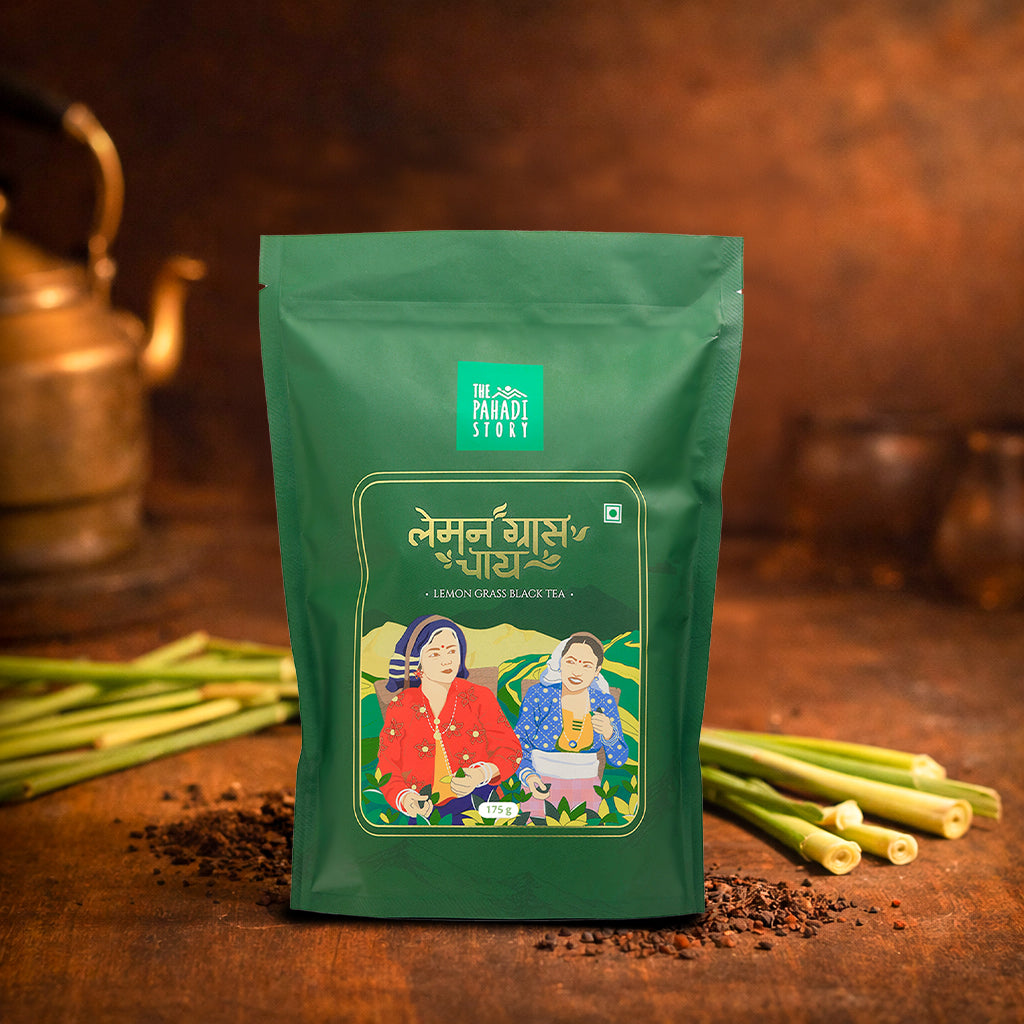
If you're someone who wants that gentle lift without the caffeine at all, our lemongrass chai is a lighter alternative worth trying.
6. It May Support Blood Sugar Balance
Cinnamon is one of the more researched spices when it comes to blood sugar. Several clinical trials suggest regular cinnamon intake may improve insulin sensitivity and help moderate blood sugar spikes after meals. The effect is real, but it's modest and varies from person to person, and it depends heavily on how much cinnamon actually makes it into your cup.
If managing blood sugar is a specific concern for you, that's a conversation for your doctor, not a tea blog. What we can say is that a cup of properly spiced chai is a small, pleasant way to work a meaningful spice into your routine.
Beyond the Spices, It's a Ritual
The six benefits above come from what's actually in the cup. But if you ask most people why they reach for chai on a stressful day, they won't mention gingerol or theaflavins. They'll talk about the few minutes it takes to boil, strain, and sip, and how that small pause fits into a packed day. Cardamom and ginger have both been studied for mild calming effects, but a good part of chai's stress-relief has nothing to do with chemistry. It's the habit itself: stepping away, slowing down, and doing something with your hands before your mind catches up. That's not something a lab can measure, but anyone who's grown up on chai already knows it's real.
What's Actually in a Cup of Masala Chai
A traditional masala chai blend usually includes:
-
Black tea leaves (Assam tea is the classic choice for its strong, malty base)
-
Fresh ginger
-
Green cardamom
-
Cinnamon
-
Cloves
-
A pinch of black pepper (optional, for extra warmth)
-
Milk
-
Jaggery, sugar, or your preferred sweetener
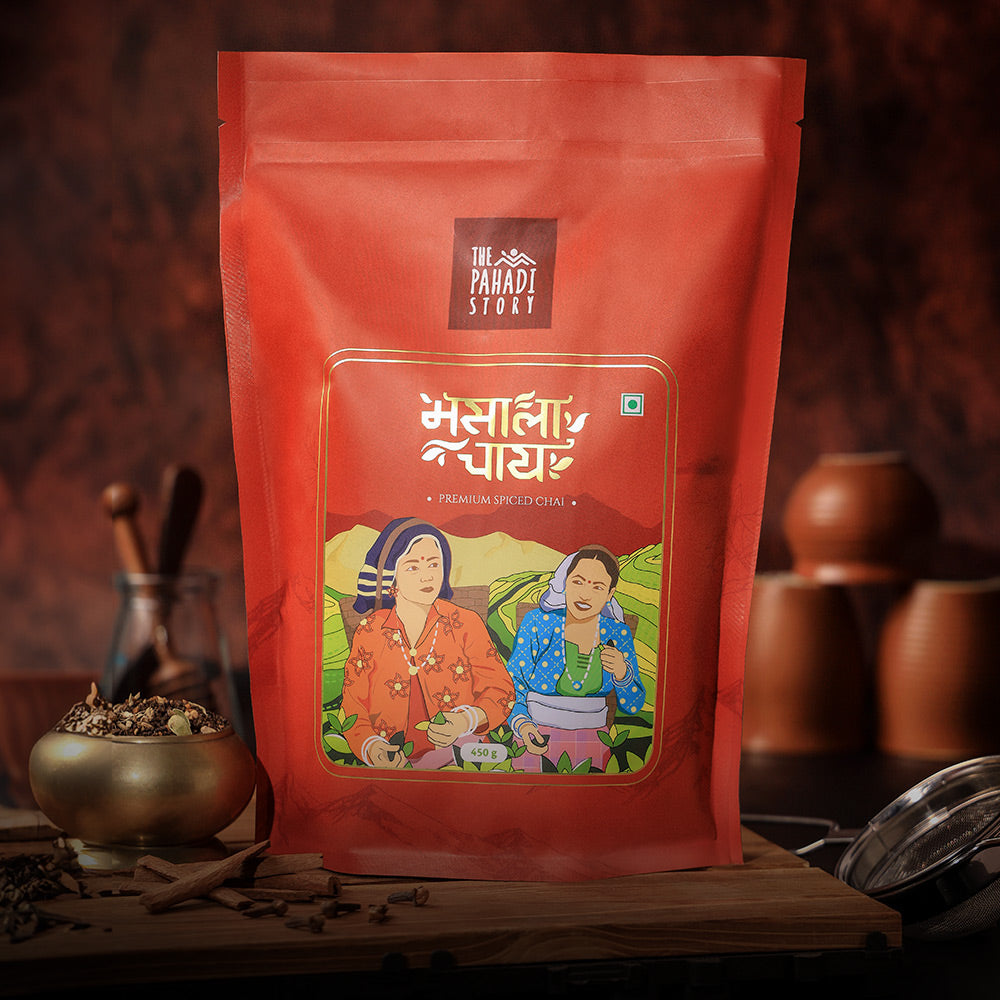
The quality of these ingredients matters more than most people realise. Pre-ground, mass-produced spice mixes lose their essential oils fast, which is where most of the actual benefit lives. That's part of why we blend our masala chai with farm-fresh, whole spices and high-elevation Assam tea, sourced through Pahadi women farmers in the hills, with nothing artificial added.
How to Brew It the Traditional Way
- Dry roast the whole spices for a minute or two until they turn fragrant.
- Grind them coarsely, don't over-process into a fine powder.
- Bring water and milk to a gentle boil.
- Add the tea leaves and let them simmer for a minute.
- Stir in the ground spices and simmer for another two to three minutes.
- Sweeten with jaggery or sugar, strain, and serve hot.
Short on time most mornings? Our ready-to-brew masala chai uses the same whole-spice blend, so you skip the grinding without skipping the flavour. For the full step-by-step method with measurements, our kadak masala chai brewing guide walks through it in more detail. Prefer a dairy-free version? We've also covered a vegan masala chai recipe using plant milk.
A Note on What "Benefits" Really Means Here
Most of the research behind these spices is genuine and promising, and a lot of it lines up with what Ayurvedic practice has known for generations. But it's worth being upfront: most studies look at individual spices in isolated doses, often higher than what you'd get in a single cup of chai. We're not claiming masala chai treats or cures anything, and if you have a specific health condition, that's a conversation for a doctor, not a blog post.
What we can say with confidence is this: a cup of chai made with real, whole spices is a small, enjoyable habit that fits naturally into a healthy lifestyle. Drink it because it tastes like home. Everything else is a genuine, well-earned bonus.
FAQs
Is masala chai good for daily health?
Yes, in moderation. A cup or two a day, made with real spices and without excess sugar, fits comfortably into most healthy routines. Like anything with caffeine, it's best enjoyed in balance rather than in excess.
Does masala chai have a lot of caffeine?
Less than coffee and less than a plain cup of black tea. A typical cup of masala chai has roughly a quarter of the caffeine found in coffee, which is part of why it gives steadier energy without a crash.
Can masala chai help with weight management?
Indirectly, and only as part of an overall healthy diet. Cinnamon and black pepper have been studied for their role in metabolism, and unsweetened chai is naturally low in calories. It's not a weight-loss drink on its own, sugar and full-fat milk can easily cancel out any benefit.
What is the difference between chai and masala chai?
"Chai" simply means tea, and in India it usually refers to milk tea. Masala chai specifically refers to black tea brewed with a blend of spices like ginger, cardamom, cinnamon, and cloves. Every masala chai is chai, but not every chai is masala chai.
Is masala chai good for digestion?
Generally, yes. Ginger and cardamom, the two most prominent spices in most blends, both have a long history of easing bloating and supporting digestion, which is part of why chai after a meal is such a common habit across Indian households.
Looking to build your own chai ritual? Explore our full chai range, or read more about how Pahadi women farmers source our spices straight from the Himalayas.