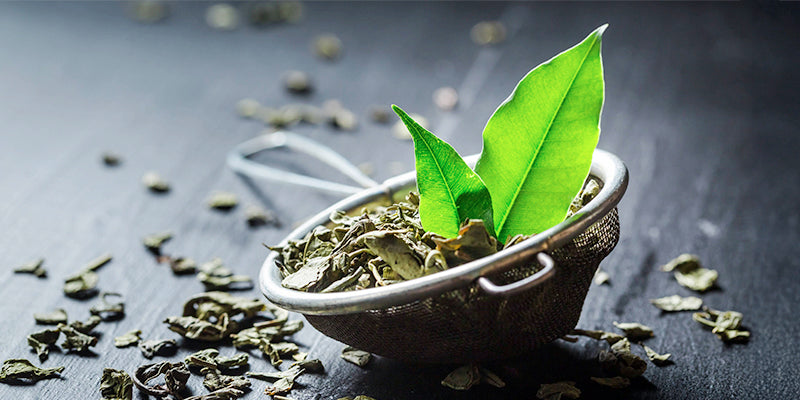



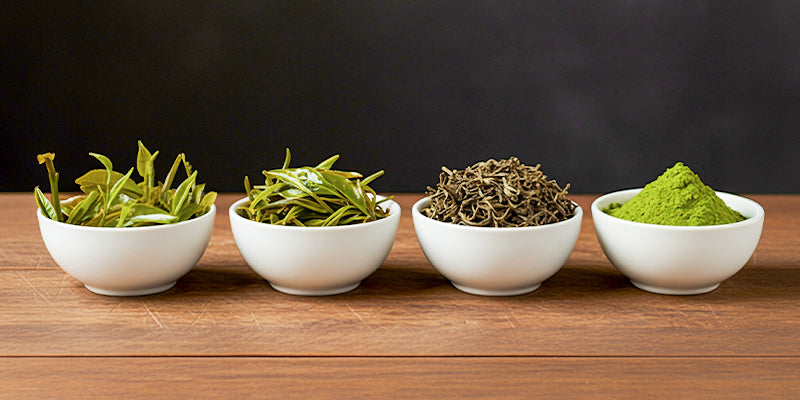
Matcha is finely ground, whole-leaf green tea. You whisk the powder itself into hot water, so you're drinking the entire leaf rather than steeping and discarding it. That's the single biggest difference from a regular cup of green tea, and it's why matcha tends to taste bolder, look brighter, and carry more caffeine and antioxidants per cup.
Key takeaways
- Matcha is shade-grown Camellia sinensis leaves, steamed, dried, then stone-ground into powder.
- Because you consume the whole leaf, matcha delivers more catechins (a group of plant antioxidants) and more caffeine than steeped green tea, gram for gram.
- Research on matcha's specific effects (focus, weight, heart markers) is real but modest, and mostly limited to green tea catechins in general rather than matcha itself.
- A standard 2g serving carries roughly 60-70mg of caffeine, less than a cup of coffee and more than steeped green tea.
- Matcha isn't risk-free: caffeine sensitivity, pregnancy, and iron absorption are worth knowing about before you make it a daily habit.
What Is Matcha, Exactly?
Matcha comes from the same plant as every other true tea, Camellia sinensis, but it's grown and processed differently. A few weeks before harvest, farmers shade the tea bushes from direct sunlight. That shading slows photosynthesis, which pushes the plant to produce more chlorophyll (for the deep green colour) and more L-theanine, an amino acid that shapes matcha's smoother, less bitter character.
After harvest, the leaves are steamed to stop oxidation, dried, and then the stems and veins are removed before the leaves are stone-ground into a fine powder. That last step is what separates matcha from every other green tea: nothing is strained out. The powder goes straight into your cup.
Matcha vs. Green Tea: What's Actually Different
| Steeped Green Tea | Matcha | |
|---|---|---|
| How it's made | Leaves steeped, then discarded | Whole leaf ground to powder, fully consumed |
| Caffeine (per cup) | ~20-30mg | ~60-70mg |
| Preparation | Steep and strain | Whisk powder into water |
| Antioxidant intake | Partial (only what leaches into water) | Higher (whole leaf consumed) |
The "you drink the whole leaf" difference is real and well established: it's simple plant biology, not a marketing line. Whether that translates into a specific health outcome for you personally is a separate question, and that's where a lot of matcha content gets ahead of the evidence. If you're newer to the category altogether, our green tea beginner's guide is a good place to get grounded before comparing powders and blends. More on the evidence below.
What Does Matcha Taste Like?
Good matcha is vegetal and slightly sweet, with a savoury, umami note underneath, closer to steamed spinach or nori than to regular tea. Lower-grade or stale matcha tends to taste more bitter and grassy, which is often what turns first-timers off. If your first cup tasted harsh, it's worth trying a better-grade powder or a slightly cooler water temperature before deciding matcha isn't for you.
Matcha Grades: Ceremonial vs. Culinary
Ceremonial grade is made from the youngest, shade-grown leaves, stone-ground fine, and meant to be whisked with just water: no milk, no sweetener. It's pricier and milder in flavour.
Culinary grade is made from slightly older leaves, has a stronger, more bitter profile, and is built to hold its flavour against milk, sugar, or baking, think matcha lattes, smoothies, or desserts.
Neither is "better" outright; it depends on how you plan to drink it. If you're curious how matcha's processing compares with the wider world of green tea, our breakdown of the different types of organic green tea covers how leaf age and processing shape flavour more broadly.
What the Research Actually Says About Matcha
Matcha shows up in a lot of "superfood" content with sweeping claims. Here's a more honest breakdown of what's actually been studied, and where the evidence runs thin.
Antioxidants. Matcha is rich in catechins, a family of plant antioxidants, with EGCG (epigallocatechin gallate) as the most abundant and most-studied. Antioxidants help neutralise free radicals, unstable molecules linked to cell damage. This part is well documented at the chemistry level. What it doesn't prove on its own is a specific disease outcome in a person drinking a cup of tea. That's a much bigger claim than the underlying chemistry supports.
Focus and calm alertness. This is one of matcha's better-supported claims. Human studies point to caffeine and L-theanine working together to support sustained attention without the sharper spike-and-crash some people feel with coffee. It's a reasonable, moderately-evidenced claim, not a guarantee of "zen-like focus."
Weight and metabolism. This is where matcha content tends to overreach. Green tea catechins have been studied for effects on metabolism and fat oxidation, and some trials show modest improvements in body composition over 8-12 weeks. But a 2012 Cochrane review, a high-quality synthesis of the evidence, found the weight-loss effect of green tea preparations was small and not statistically significant. Matcha may be associated with modest metabolic effects as part of an overall healthy pattern; it isn't a weight-loss tool on its own, and anyone framing it that way is stretching the evidence. If this is the angle that drew you in, our guide to different types of slimming tea and how they actually work is worth a read for the same reality check applied more broadly.
Heart-related markers. Some studies link green tea catechins to modest reductions in LDL cholesterol. This is worth knowing, but it's about a biomarker, not a promise about heart disease outcomes, and it doesn't replace medical care for anyone managing cardiovascular risk. If you're comparing teas specifically for heart health, our black tea vs. green tea comparison looks at this in more depth.
Skin. Matcha's antioxidant and anti-inflammatory compounds are sometimes used in topical skincare, and lab-level evidence supports antioxidant activity on skin cells. Evidence for drinking matcha producing visible skin changes is much thinner and largely anecdotal. Treat this as an emerging area, not an established benefit.
This article is for general educational purposes and does not replace personalised advice from a qualified healthcare professional.
Caffeine in Matcha: How It Compares to Coffee
A standard 2g serving of matcha typically contains 60-70mg of caffeine, noticeably more than a cup of steeped green tea (around 20-30mg), but generally less than an 8oz cup of coffee (roughly 95-100mg). Because matcha also contains L-theanine, many people describe the caffeine effect as steadier and less jittery, though individual sensitivity varies a lot. If you're weighing caffeine levels across your everyday cup, we've broken this down in more detail in is there caffeine in Himalayan green tea, and should it really matter.
Most healthy adults tolerate up to about 400mg of caffeine a day. If you're combining matcha with coffee or other caffeinated drinks, it's easy to underestimate your daily total, worth keeping in mind if you're sensitive to caffeine or trying to protect your sleep.
How to Make Matcha at Home
- Sift 1-2g (about half to one teaspoon) of matcha powder into a bowl to break up clumps.
- Add 60-80ml of water heated to around 75-80°C. Not boiling, which can scorch the powder and make it taste bitter.
- Whisk in a brisk "W" or "M" motion with a bamboo whisk (chasen) until a thin layer of froth forms, about 15-20 seconds.
- Drink immediately. Matcha settles quickly, unlike steeped tea.
- For a matcha latte, whisk the same base with a little water first, then top with warm milk of your choice.
Who Should Be Careful With Matcha
Matcha is generally well tolerated in normal culinary amounts, but a few groups should be more deliberate about it:
- Caffeine-sensitive individuals may notice jitteriness, a faster heartbeat, or disrupted sleep even at matcha's lower caffeine load compared to coffee.
- Pregnancy: medical guidance generally recommends keeping total caffeine intake to around 200mg a day during pregnancy, so matcha needs to be counted alongside coffee, tea, and other sources. Check with your doctor about what fits your day.
- Iron absorption: the catechins in matcha (and tea generally) can reduce absorption of non-heme (plant-based) iron when consumed with meals. If you're managing low iron, it helps to drink matcha between meals rather than with them.
- Concentrated green tea extracts (supplement capsules, not brewed tea) have been linked to rare cases of liver strain in some safety reviews. This is a different product category from a whisked cup of matcha, but it's a reason to be cautious with high-dose matcha supplements specifically.
Storing Matcha
Matcha's flavour and colour fade faster than regular tea leaves once opened, since more surface area is exposed to air and light. Keep it in an airtight container, away from heat, light and moisture, ideally refrigerated after opening, and use it within a reasonably short window rather than letting it sit for months for the best colour and taste.
Frequently Asked Questions
Is matcha good for you?
In normal amounts, yes. It's a source of antioxidants (catechins) and offers a steadier caffeine lift than coffee for many people. It isn't a cure or a shortcut to any specific health outcome, and it works best as part of an overall balanced diet.
Does matcha have caffeine?
Yes. A standard 2g serving has roughly 60-70mg of caffeine, more than steeped green tea and generally less than a cup of coffee.
Can I drink matcha every day?
Most healthy adults can enjoy matcha daily within normal caffeine limits (up to about 400mg/day total from all sources). If you're pregnant, caffeine-sensitive, or managing a health condition, check with your doctor about how much fits your day.
How is matcha made?
Tea bushes are shaded before harvest, then the leaves are steamed, dried, de-veined, and stone-ground into a fine powder. Nothing is strained out. You drink the whole leaf.
What does matcha taste like?
Vegetal and slightly sweet with an umami finish, closer to steamed greens than to regular tea. Bitterness usually signals lower grade or over-hot water rather than matcha itself.
This article is for general educational purposes and does not replace personalised advice from a qualified healthcare professional.
Sources & References
- Jurgens TM, et al. "Green tea for weight loss and weight maintenance in overweight or obese adults." Cochrane Database of Systematic Reviews, 2012.
- "Matcha as a Source of Bioactive Compounds: A Review of Health-Promoting Properties and Potential Applications." Nutrients (MDPI).
- American College of Obstetricians and Gynecologists (ACOG). "Moderate Caffeine Consumption During Pregnancy."
- Mayo Clinic. "Caffeine: How much is too much?"
- Hallberg L, et al. "Inhibition of non-haem iron absorption in man by polyphenolic-containing beverages." British Journal of Nutrition.
- Samman S, et al. "Green tea or rosemary extract added to foods reduces nonheme-iron absorption." American Journal of Clinical Nutrition, 2001.