


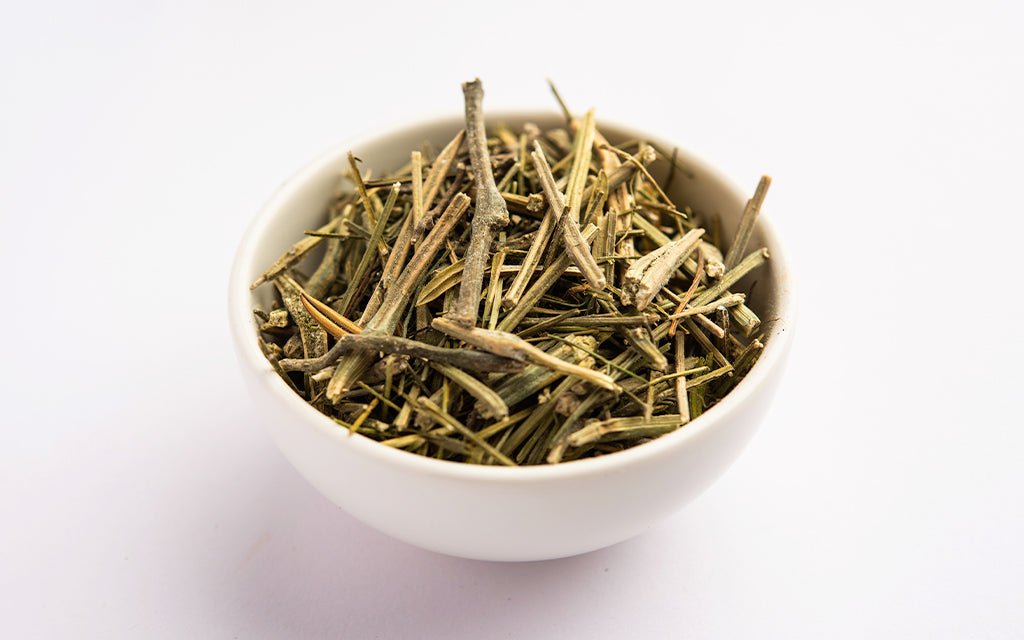
If you grew up in a Pahadi or North Indian household, chances are someone in your family has, at some point, handed you a small steel glass of yellowish, bitter water first thing in the morning and told you it was good for you. That's usually chirata. It's one of those herbs that everyone's grandmother swears by, and it turns out there's more behind the bitterness than family folklore.
Chirata (Swertia chirayita) is a small flowering plant from the Himalayas, used for generations in Ayurveda and Unani medicine, mostly for fever, digestion, and liver complaints. Modern research on it is still early, but there's enough peer-reviewed work on its compounds to talk about it with some precision, instead of just repeating what's always been said.
This guide covers what chirata is, what it's traditionally used for, what the research actually says (and doesn't), how it's typically prepared, and who should be cautious with it.
Key takeaways
- Chirata is a bitter Himalayan herb, long used in Ayurveda for fever, digestion, and liver support.
- It contains bitter compounds like amarogentin, swertiamarin, and xanthones, which is the reason for both its taste and its traditional reputation.
- Several of its traditional uses have early scientific interest behind them, but human clinical evidence is still limited for most claims.
- It can lower blood sugar, so anyone on diabetes medication should talk to a doctor before using it regularly.
- It's generally taken as a decoction, powder, or capsule, in small amounts, and isn't recommended during pregnancy, breastfeeding, or right before surgery.
Chirata at a glance
| Common names | Chirata, Chirayata, Kirataka, Nilavembu, Nelaveppu, "bitter stick" |
| Scientific name | Swertia chirayita |
| Plant family | Gentianaceae |
| Native region | Temperate Himalayas, roughly Kashmir to Bhutan |
| Typical altitude | Above 1,200 metres |
| Part used | Whole plant (root, stem, leaves, flowers) |
| Key compounds | Amarogentin, swertiamarin, gentiopicrin, xanthones |
| Traditional uses | Fever, digestion and appetite, liver support, blood sugar, intestinal worms, skin |
| Common forms | Overnight infusion, decoction, powder, capsules |
| Typical dose (traditional) | 1 to 3 grams powder, once or twice daily |
| Caution advised for | Pregnancy/breastfeeding, diabetes medication, ulcers, pre-surgery, young children |
What is chirata?
Chirata is a small, upright annual herb that grows wild in the temperate and sub-temperate Himalayas, roughly between Kashmir and Bhutan, usually at altitudes above 1,200 metres. The whole plant, root to flower, is used in traditional preparations, which is unusual; most herbs are used for one part only.
Its Sanskrit name, Kirataka, is where the common name comes from. Across India it also goes by Chirayata (Hindi), Nilavembu (Tamil), Nelaveppu (Malayalam), and several regional variants like Kariyatu and Chiraita. In English, it's sometimes called "bitter stick," which is fairly on the nose once you've tasted it.
One thing worth knowing: because chirata only grows wild at specific altitudes and hasn't been widely cultivated, overharvesting has made it harder to find in the wild. If you're buying it, sourcing matters.
Why is it so bitter, and does that mean anything?
The bitterness isn't incidental. Chirata contains a group of compounds called xanthones and secoiridoid glycosides, the main ones being amarogentin, swertiamarin, and gentiopicrin. Amarogentin in particular is one of the most bitter natural compounds known, and it's the reason chirata has historically been used as a "bitter tonic," a category of herbs traditionally used to stimulate appetite and digestion before a meal.
A 2015 review in Frontiers in Pharmacology looked at the pharmacology of Swertia chirayita and found laboratory and animal evidence for anti-inflammatory, antioxidant, hepatoprotective (liver-protective), and blood-sugar-lowering activity, largely tied to these compounds. That's useful context, but it's worth being precise about what that means: most of this evidence comes from lab and animal studies, not large human trials. It tells us chirata is pharmacologically active, not that any specific health outcome is proven in people.
What chirata is traditionally used for, and what research says so far
Ayurveda groups chirata's traditional uses under a few functions: Jvaraghna (fever-reducing), Deepana-Pachana (appetite and digestion support), and Krimighna (anti-parasitic). Here's how those traditional uses line up against current research, kept separate so you can see which is which.
Traditional use for fever
Chirata has long been used for fever, including in intermittent fevers historically described as Vishamajwara. Some early studies have looked at extracts of the plant for antipyretic (fever-reducing) activity in animal models. This doesn't replace medical treatment for fever, especially anything that's high, persistent, or accompanied by other symptoms. Fever in adults or children should be evaluated by a doctor rather than self-treated with an herb.
Digestion and appetite
This is chirata's oldest and best-supported traditional use. Bitter compounds are generally understood to stimulate digestive secretions when taken before a meal, which is the basis for bitter tonics across many traditional medicine systems, not just Ayurveda. Chirata has traditionally been used for indigestion, bloating, and low appetite. Human clinical trials specific to chirata for digestion are still limited, so this remains a traditional-use claim more than a proven one. Mulethi is another bitter-adjacent Himalayan root used similarly in Ayurveda for digestion, if you want to compare the two.
Liver support
Several lab studies on chirata's compounds, particularly swertiamarin, point to hepatoprotective activity, meaning they may help protect liver cells from certain kinds of damage in these models. This lines up with its traditional use in jaundice and liver complaints in Ayurveda and Unani medicine. It has not been established as a treatment for any specific liver disease in humans, and anyone with a diagnosed liver condition should be working with a doctor, not self-treating with an herb.
Blood sugar
Chirata is one of the more consistently studied Ayurvedic herbs for blood-sugar-lowering activity, with several animal studies showing a hypoglycemic effect, plausibly linked to compounds like swerchirin. This is exactly why it needs a caution attached rather than an unqualified "benefit" label: if you're on medication for diabetes, adding chirata could push your blood sugar lower than intended. This is worth flagging with your doctor, not something to try quietly on your own.
Worm infestations
In Ayurveda, chirata is classified as Krimighna, meaning traditionally used against intestinal worms. This is one of its oldest documented household uses, particularly for children in some traditional practices, though modern human evidence for this specific use is thin. If you suspect a parasitic infection, that's a case for a stool test and medical treatment, not a home remedy.
Skin use
Chirata paste, sometimes mixed with honey, has traditionally been applied to acne, redness, and minor skin irritation, based on its antibacterial and antioxidant properties observed in lab studies. If you want to try this, patch-test on a small area first, and stop if you notice irritation. It's not a substitute for seeing a dermatologist for persistent skin issues.
How to use chirata
The most traditional method is also the simplest: cold-infused or boiled chirata water.
Overnight infusion: Soak a small piece of dried chirata stem, or about a teaspoon of chirata powder, in a glass of water overnight. Strain and drink on an empty stomach in the morning.
Decoction: Boil chirata (whole plant pieces or powder) in a cup of water until it reduces to about a quarter of its original volume, then strain. This concentrated version is more traditional for fever and digestive complaints.
Powder or capsules: Commercially available as standardised powder or capsules, generally easier to dose consistently than home preparations.
Because chirata is intensely bitter, some households mix it with a small amount of jaggery or honey to make it easier to take, particularly for children (though see the caution below for children and worm treatment specifically).
How much chirata is generally used?
There's no officially established medical dose for chirata, because it hasn't gone through the kind of large-scale dosing trials that would establish one. That said, traditional and Ayurvedic sources commonly describe these ranges:
- Powder: roughly 1 to 3 grams, once or twice a day, usually before meals.
- Decoction: a few teaspoons of the strained liquid, once or twice daily.
- Capsules/tablets: typically one capsule or tablet, once or twice daily, though this varies by product concentration.
These are traditional and commonly reported ranges, not a prescription. If you're taking chirata for anything more than occasional use, it's worth checking the amount with an Ayurvedic practitioner or your doctor, especially if you take any regular medication.
Side effects
Chirata is generally considered fine in the small amounts found in food or occasional traditional preparations. Reliable safety data for regular, higher-dose use is limited, which is itself worth knowing rather than assuming the herb is risk-free. Reported effects with higher or prolonged use include:
- Dizziness
- Numbness in the hands or feet
- Nausea or stomach upset in sensitive individuals
If you notice any of these, stop use and speak to a doctor.
Who should be careful with chirata
- Pregnant or breastfeeding women: There isn't enough safety data here. It's best avoided unless a doctor specifically advises otherwise.
- People with diabetes or on blood-sugar medication: Chirata may lower blood sugar further, increasing the risk of hypoglycemia. Monitor blood sugar closely if you use it, and talk to your doctor first.
- People with intestinal or stomach ulcers: Chirata's bitter, stimulating properties may aggravate ulcers.
- Anyone with upcoming surgery: Because it can affect blood sugar, it's generally recommended to stop chirata at least two weeks before a scheduled surgery.
- Young children: Traditional use exists, but dosing for children should be guided by a qualified practitioner, not estimated at home.
This article is for general educational purposes and doesn't replace personalised advice from a qualified healthcare professional. If you're managing a health condition or taking regular medication, check with your doctor or an Ayurvedic practitioner before adding chirata to your routine.
Chirata at home
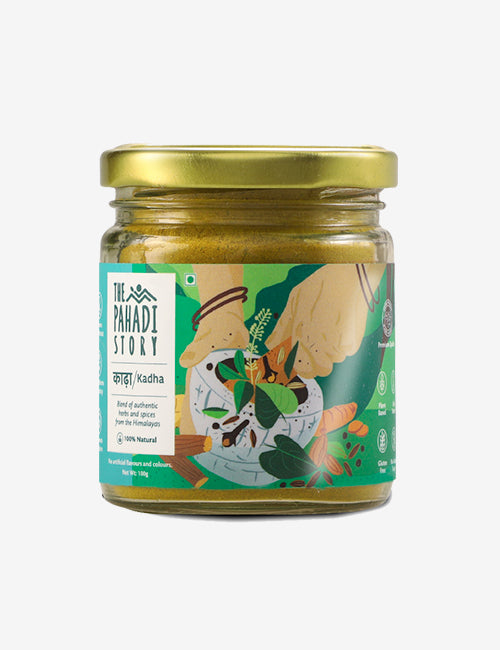
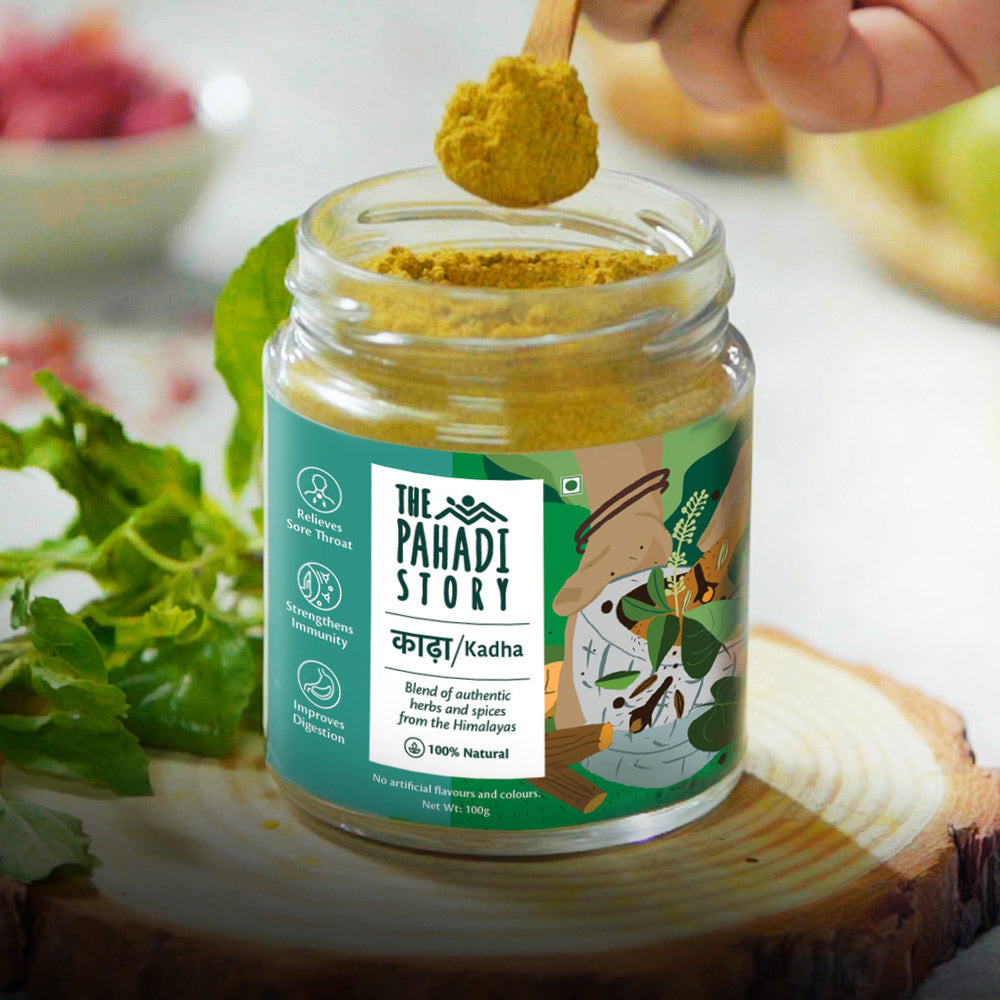
If chirata's bitterness feels like a lot to take on its own, that's a fairly universal reaction, and it's part of why it's traditionally blended with other warming ingredients rather than taken alone. Our Kadha Mix is built around that same idea of everyday Himalayan bitters and spices, made to be simple to prepare at home rather than something you need to source and boil separately. It's not a substitute for chirata itself, just a more approachable way into the same tradition of bitter, warming home remedies.
FAQs
Can chirata be taken every day?
Occasional use in small amounts, like a morning infusion a few times a week, is how it's traditionally used. Daily long-term use hasn't been well studied for safety, so it's better treated as an occasional herb than a daily supplement unless a practitioner advises otherwise.
Does chirata actually help with weight loss?
There's no strong human evidence for chirata as a weight-loss aid. Its traditional role in digestion and appetite may indirectly support a healthy eating routine, but it shouldn't be relied on as a weight-loss method on its own.
Is chirata safe to give to children?
It has a history of traditional use in children, particularly for worms, but dosing should come from a qualified Ayurvedic practitioner or pediatrician rather than guesswork at home.
What does chirata taste like?
Intensely bitter, more bitter than most people expect. This is exactly why it's often mixed with jaggery, honey, or taken quickly rather than sipped.
Can I take chirata with my diabetes medication?
Talk to your doctor first. Chirata may lower blood sugar, and combining it with diabetes medication could push levels too low.
Related reading
-
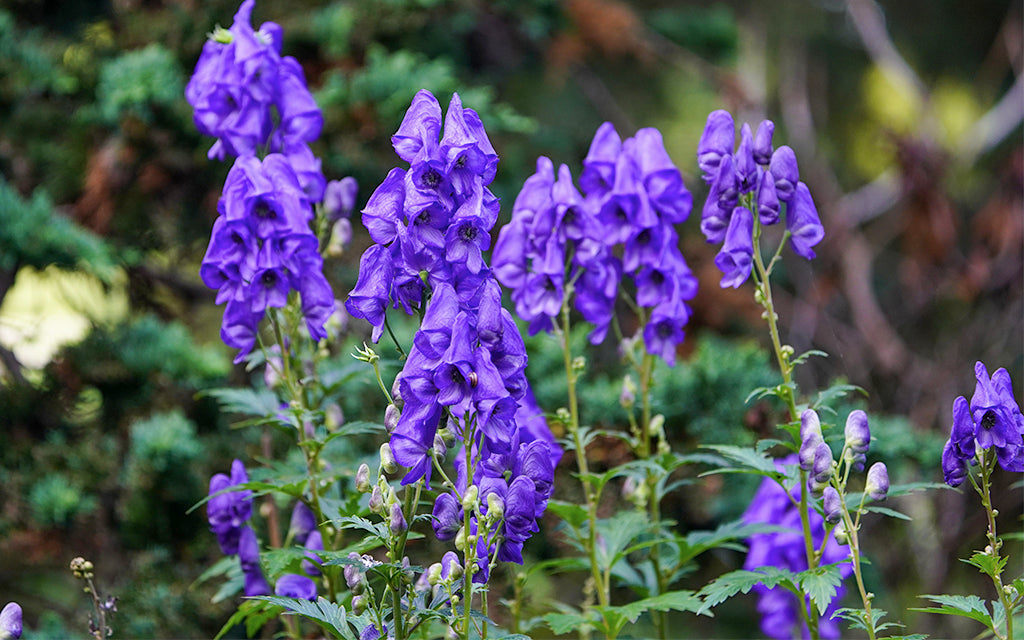
Aconitum Heterophyllum: Ativisha Benefits, Uses & Precautions
-
Mulethi (Licorice Root): 5 Health Benefits, How to Use & Dosage
Sources
-
Kumar V, Van Staden J. A Review of Swertia chirayita (Gentianaceae) as a Traditional Medicinal Plant. Frontiers in Pharmacology. 2015;6:308. pmc.ncbi.nlm.nih.gov/articles/PMC4709473
-
The Ayurvedic Pharmacopoeia of India, Part 1. Pharmacopoeia Commission for Indian Medicine & Homoeopathy, Ministry of AYUSH, Government of India. pcimh.gov.in
-
Herb-Drug Interactions. National Center for Complementary and Integrative Health (NCCIH), National Institutes of Health. nccih.nih.gov/health/providers/digest/herb-drug-interactions
This article is for general educational purposes and does not replace personalised medical advice. Consult a qualified healthcare professional before using chirata, particularly if pregnant, breastfeeding, managing diabetes, or taking regular medication.