


Bloating after meals is usually caused by gas, swallowed air, or how your gut handles certain foods, not by one single "bad" ingredient. Eating slowly, watching portion sizes, and being mindful of common trigger foods (like fizzy drinks, beans, or cruciferous vegetables) can help. Persistent bloating, especially with weight loss or other symptoms, is worth checking with a doctor (NHS).
That tight, heavy feeling after a meal is one of the most common digestive complaints out there, and yet it rarely gets talked about beyond "just eat less." You finish eating, feel comfortably full, and then twenty minutes later your waistband suddenly feels tighter and your stomach feels like it is working overtime. It is uncomfortable, occasionally embarrassing, and almost always confusing, because it does not always happen after the same meal or the same food.
The good news is that bloating after meals is rarely about one culprit. It is usually a mix of what you ate, how you ate it, and how your gut happens to respond on that particular day. Understanding the mechanics behind it makes it much easier to figure out what might help, and just as importantly, when it is nothing to worry about.
This guide walks through what post-meal bloating actually feels like, the most common causes, practical ways to ease it, and the point at which it is worth speaking to a doctor.
What Does Bloating After Meals Actually Feel Like?
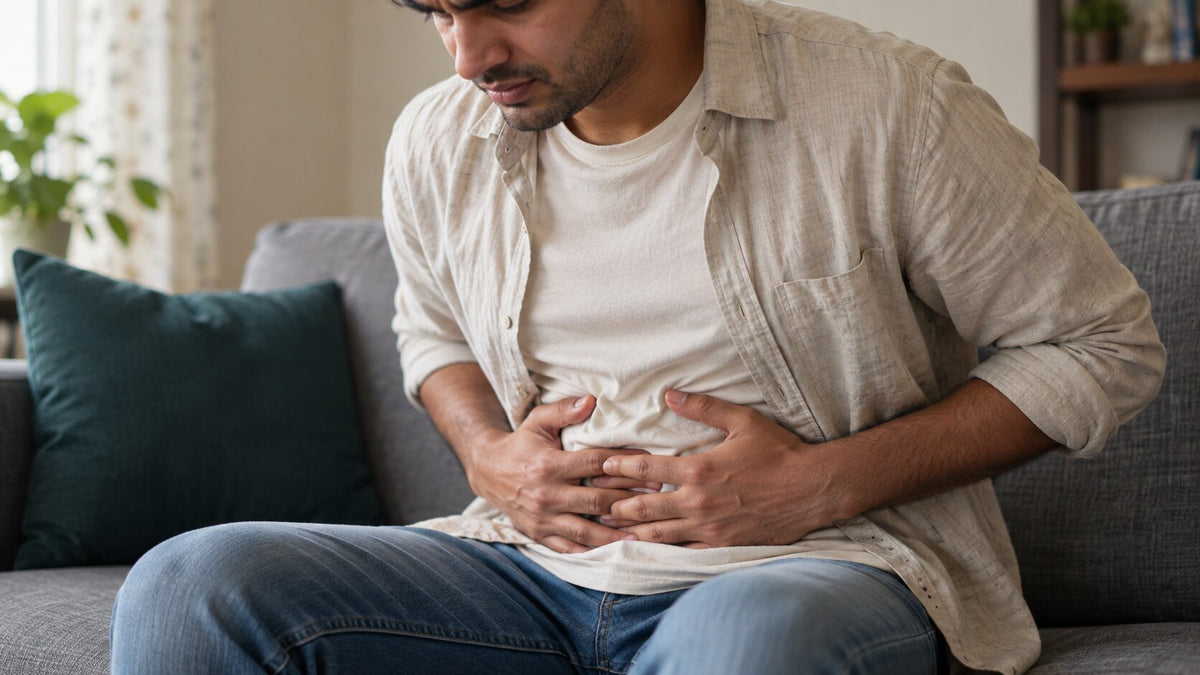
Bloating after meals typically feels like tightness, fullness, or visible swelling in the stomach area, sometimes paired with gurgling, gas, or mild discomfort. According to the NHS, you may be bloated if your tummy feels full or bigger than usual, you have tummy pain or discomfort, your stomach is rumbling or making noises, or you are passing gas more than usual.
For most people, this shows up as a specific, familiar sequence. You eat a normal amount, feel fine for a few minutes, and then notice your stomach distending as digestion gets underway. Clothes that fit comfortably at the start of the meal can feel snug by the end of it. Some people also feel sluggish or foggy alongside the physical fullness, which is a normal side effect of your body redirecting energy toward digestion.
It is worth noting that this kind of bloating is different from ongoing, unexplained abdominal swelling that has nothing to do with eating. That distinction matters, and we will come back to it later.
What Causes Bloating After Meals?
The most common reason for bloating is having a lot of gas in your gut, according to the NHS. That gas can build up from the food and drink you consume, from air you swallow while eating, or from an underlying digestive issue.
A few of the most frequent contributors include:
-
Certain foods and drinks: Some vegetables, beans, and fizzy drinks are well known for producing extra gas during digestion.
-
Eating too quickly: Fast eating means swallowing more air, which has to go somewhere.
-
Large meals: A bigger meal means more work for your digestive system all at once, which can leave you feeling stretched and heavy.
-
Underlying digestive issues: Conditions like constipation, food intolerance, coeliac disease, or irritable bowel syndrome (IBS) can all contribute to regular bloating (NHS).
-
Hormonal changes: Some people notice more bloating around their period.
For many people, it is not one single trigger but a combination. A slightly larger portion, eaten quickly, on a day when stress levels are already high, can be enough to tip things into "uncomfortably full" territory.
Why Do I Feel Gassy After Meals?
Feeling gassy after eating usually comes down to swallowed air and the natural gas produced as your gut breaks down food, particularly certain carbohydrates. This is a normal digestive process, not a sign that something is wrong.
Talking while eating, drinking through a straw, chewing gum, and eating too fast are all common ways people unknowingly swallow extra air. On the digestive side, foods like cabbage, beans, lentils, and onions contain fibers that take longer to break down in the gut, which can produce more gas along the way. Fizzy drinks add carbon dioxide directly into the mix. None of this means these foods are bad for you. It simply means your gut has to work a little harder to process them, and that work can show up as gas or bloating.
How Can You Reduce Bloating After Meals?
The most effective way to reduce bloating after meals is to slow down while eating, watch portion sizes, and limit known trigger foods and drinks. The NHS recommends several practical habits that can make a real difference over time (NHS).
Helpful habits include:
-
Eating smaller, more frequent meals instead of large ones
-
Chewing with your mouth closed to avoid swallowing air
-
Eating slowly rather than rushing through meals
-
Exercising regularly to support digestion
-
Drinking plenty of water throughout the day
-
Massaging your stomach from right to left to help release trapped wind
On the other side, it helps to go easy on fizzy drinks, alcohol, and excess caffeine, and to be mindful of processed, sugary, spicy, or fatty foods, which the NHS also flags as common bloating triggers. If you have a known food intolerance, avoiding that specific trigger is one of the most direct ways to prevent symptoms.
What Foods May Help When You're Feeling Bloated?
Foods that are easier to digest and lower in fermentable carbohydrates may help ease bloating, particularly for people who are sensitive to specific triggers. This is the thinking behind the low-FODMAP diet, an approach developed to identify and reduce foods that commonly cause gas and bloating in sensitive individuals.
FODMAP stands for fermentable oligosaccharides, disaccharides, monosaccharides, and polyols, which are types of carbohydrates that can be poorly absorbed in the small intestine and fermented by gut bacteria, producing gas as a byproduct (Cleveland Clinic; Mayo Clinic Press). High-FODMAP foods include certain fruits, wheat, onions, and legumes, while low-FODMAP alternatives include foods like rice, carrots, and grapes.
This kind of elimination approach is generally recommended under the guidance of a dietitian, since it involves temporarily cutting out a wide range of foods before reintroducing them one at a time. It is not necessarily something to try casually, but understanding the concept can help explain why the same food might bother one person and not another.
Simple, easily digestible foods such as ginger, peppermint, and plain cooked vegetables are also commonly used to support digestion after a heavy meal.
Does Ginger Tea Help With Bloating?
Ginger has a long history of traditional use for digestive discomfort, and some clinical research supports its role in easing symptoms like bloating and slow digestion. A systematic review of clinical trials found that ginger may help speed up gastric emptying and reduce symptoms of indigestion (Nikkhah Bodagh et al., PMC). Separately, a randomized trial by Wu et al. found that ginger accelerated gastric emptying in healthy volunteers (Wu et al., PubMed).
It is worth being precise about what this means. These findings point to ginger's effect on gastric emptying and general indigestion, rather than proving it directly cures bloating for everyone. But the overlap between slow digestion and that heavy, bloated feeling after meals is well established, which is part of why ginger tea remains such a common after-dinner choice around the world.
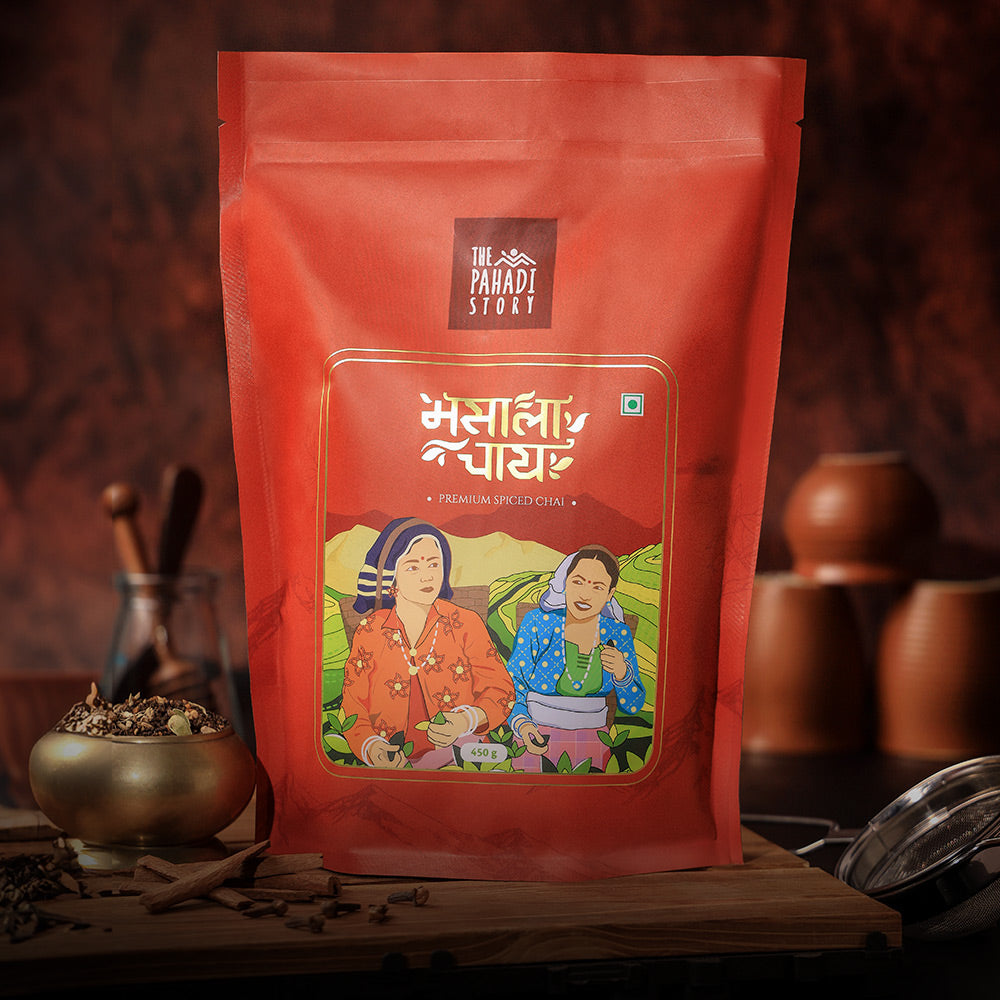
If you enjoy warm, spiced drinks after a meal, a cup of chai that includes ginger among its spices, such as The Pahadi Story's Masala Chai, can be a comforting way to end a meal, alongside the other everyday habits covered in this guide.
What Drink Helps Digestion After a Heavy Meal?
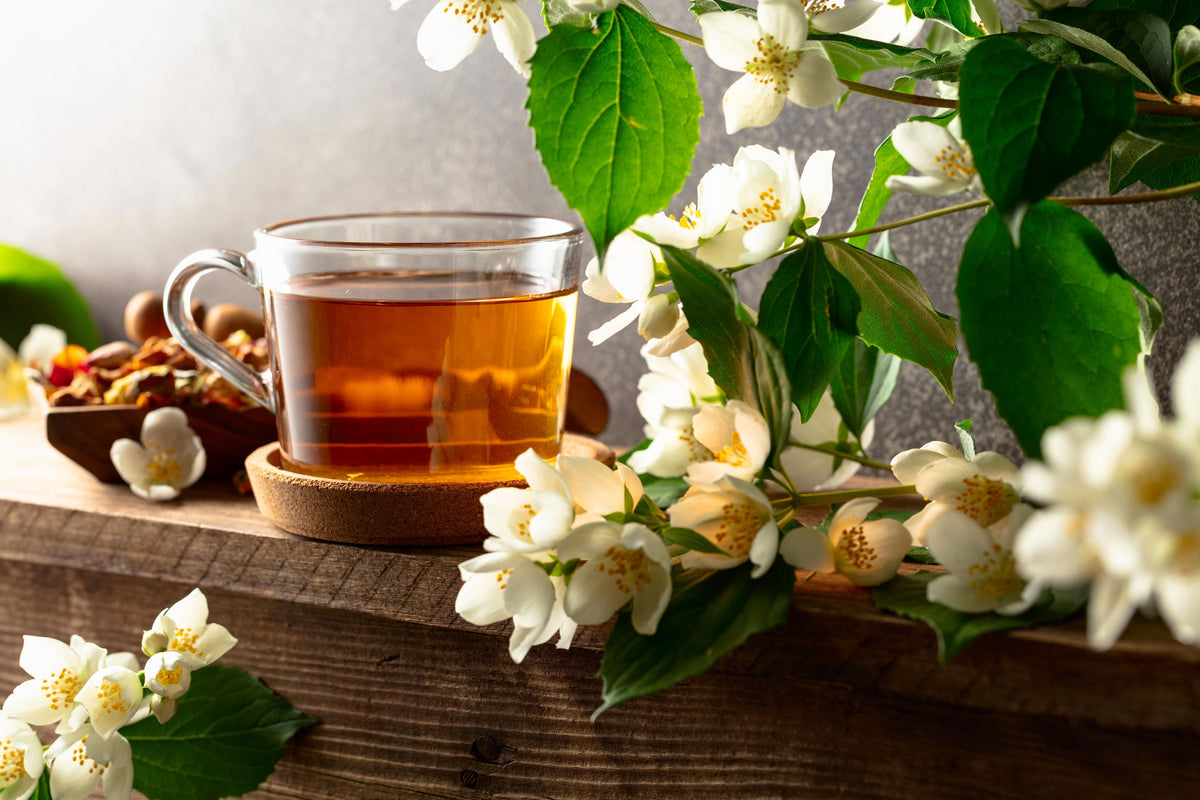
Warm, low-caffeine drinks that support relaxation and digestion, such as ginger tea, peppermint tea, or warm water, are commonly used after heavy meals. Warmth itself can be soothing to the stomach, and ingredients like ginger and mint have a long tradition of use for digestive comfort.
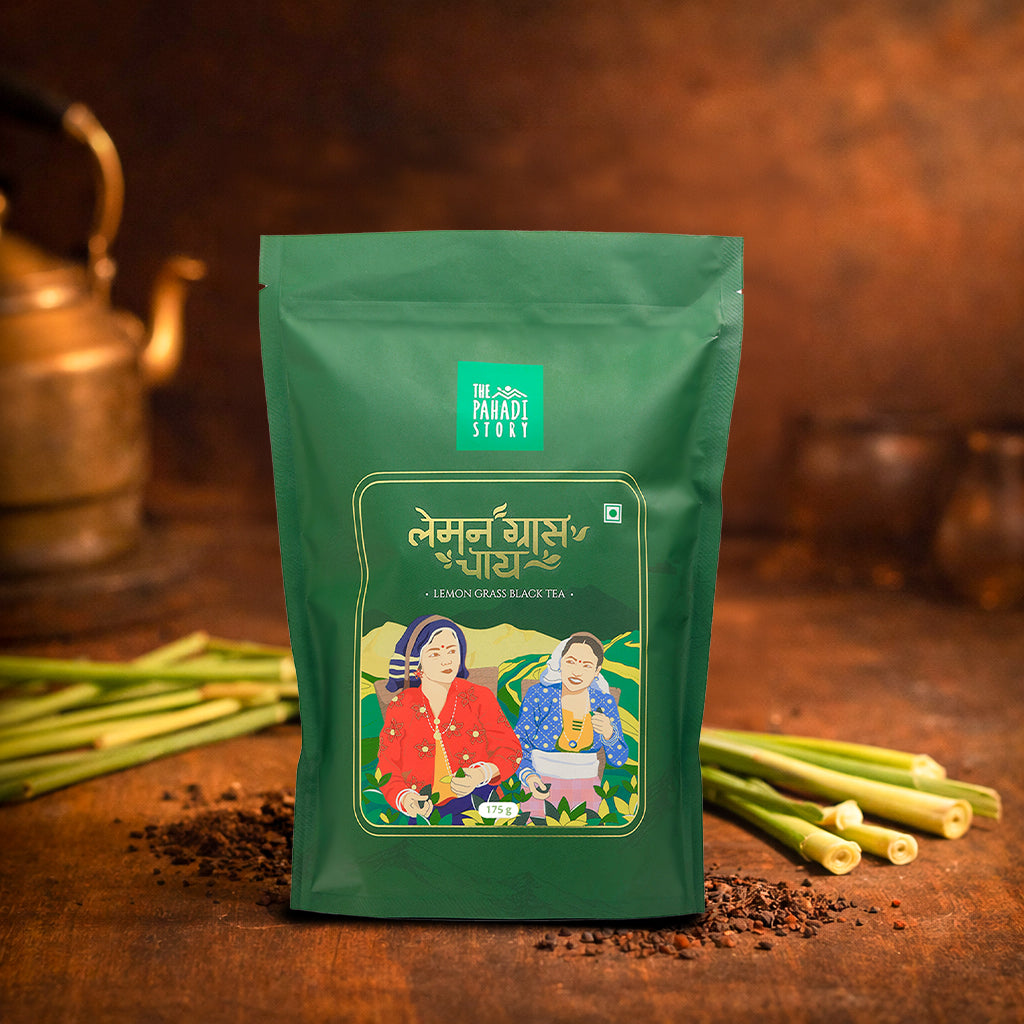
Plain water is also worth mentioning here. The NHS recommends drinking plenty of water as a general habit for reducing bloating, since staying hydrated supports regular digestion and helps prevent constipation, one of the common causes of bloating in the first place (NHS). If you are looking to swap out an evening coffee for something gentler, a herbal blend from a collection like The Pahadi Story's herbal teas is a reasonable substitute, since most herbal teas are naturally caffeine-free.
Can Stress Cause Bloating After Meals?
Yes, stress can contribute to bloating and other digestive symptoms because of the close connection between the brain and the gut. According to Harvard Health Publishing, the gut and brain are so closely linked that stress and emotional states can directly affect digestion, sometimes triggering symptoms like bloating, stomach pain, and changes in bowel habits (Harvard Health Publishing, Stress and the Sensitive Gut).
This connection works both ways. The gut sends signals to the brain, and the brain sends signals back to the gut, which is why anxiety or a stressful day can translate into physical stomach symptoms with no dietary explanation at all (Harvard Health Publishing, The Gut-Brain Connection). If you notice bloating shows up more on high-stress days than after any particular food, stress may be playing a bigger role than your diet.
A Simple Post-Meal Routine to Try
Building a short, consistent routine after meals can make a noticeable difference over time. Try this:
-
Slow down at the table. Put your fork down between bites if you tend to eat quickly.
-
Take a short walk. Even ten minutes of gentle movement after eating can support digestion.
-
Sip something warm. A caffeine-free herbal tea or a ginger-based chai can be a calming way to close out a meal.
-
Check in with stress levels. A few slow breaths before and after eating can help your gut relax along with the rest of you.
-
Note what you ate. If bloating keeps showing up after certain meals, a simple food diary can help you spot patterns.
None of these steps are a guaranteed fix, but together they address the most common contributors: eating too fast, gas-producing foods, dehydration, and stress.
When Should Bloating After Meals Be Checked by a Doctor?
Bloating that is occasional and linked to a specific meal is usually not a cause for concern. However, the NHS advises seeing a GP if you feel bloated regularly, have tried changing your diet but keep feeling bloated, have bloating along with unintentional weight loss, or notice bloating alongside blood in your stool (NHS).
More urgent care is needed if bloating comes with vomiting, diarrhea, constipation, a stomach ache, fever, a swelling or lump in the abdomen, an inability to pee, poo, or fart, or a burning sensation in the chest from acid reflux, in which case the NHS recommends an urgent GP appointment or calling 111. Immediate emergency care (calling 999 or going to A&E) is advised if bloating comes with a swollen stomach, sudden severe stomach pain, vomiting blood, or severe difficulty breathing.
This article is educational and not a substitute for professional medical advice. If you are ever unsure about your symptoms, it is always best to speak with a doctor or pharmacist.
The Bigger Picture
Bloating after meals is one of those everyday discomforts that rarely has a single, tidy explanation. It might be the beans in last night's dinner, a meal eaten too quickly at your desk, a stressful afternoon, or simply how your gut happens to be feeling that day. Paying attention to patterns, slowing down at meals, and building small, steady habits, like a warm cup of tea and a short walk after eating, can go a long way toward keeping things comfortable.
If bloating becomes a regular, unshakeable part of your routine, that is your body's way of asking for a closer look. Do not hesitate to bring it up with a doctor, especially if it comes with other symptoms.
FAQs
Is it normal to feel bloated after every meal?
Occasional bloating after eating is common and usually linked to gas, portion size, or eating speed. If it happens after nearly every meal despite dietary changes, the NHS recommends speaking with a GP to rule out an underlying cause (NHS).
How long does post-meal bloating usually last?
Bloating typically eases within a few hours as digestion progresses, though this varies depending on the meal and the individual. Persistent bloating that does not settle is worth monitoring and discussing with a doctor if it continues.
Can drinking water help with bloating?
Yes, the NHS lists drinking plenty of water as a recommended habit for reducing bloating, since proper hydration supports regular digestion and helps prevent constipation (NHS).
Is ginger tea a proven cure for bloating?
Ginger has traditional use for digestive comfort, and clinical research shows it may help speed up gastric emptying and ease indigestion symptoms (Nikkhah Bodagh et al., PMC; Wu et al., PubMed). It is not a guaranteed cure for everyone, but it is a reasonable, low-risk option to try.
What foods should I avoid if I bloat easily?
Common triggers include fizzy drinks, alcohol, excess caffeine, and gas-producing foods like cabbage, beans, and lentils, according to the NHS (NHS). A low-FODMAP approach, ideally guided by a dietitian, can help identify specific personal triggers (Cleveland Clinic).
Can stress alone cause bloating without any dietary trigger?
Yes. The gut and brain are closely connected, and stress can directly affect digestion and trigger symptoms like bloating, even without a specific dietary cause (Harvard Health Publishing).
Sources Used