


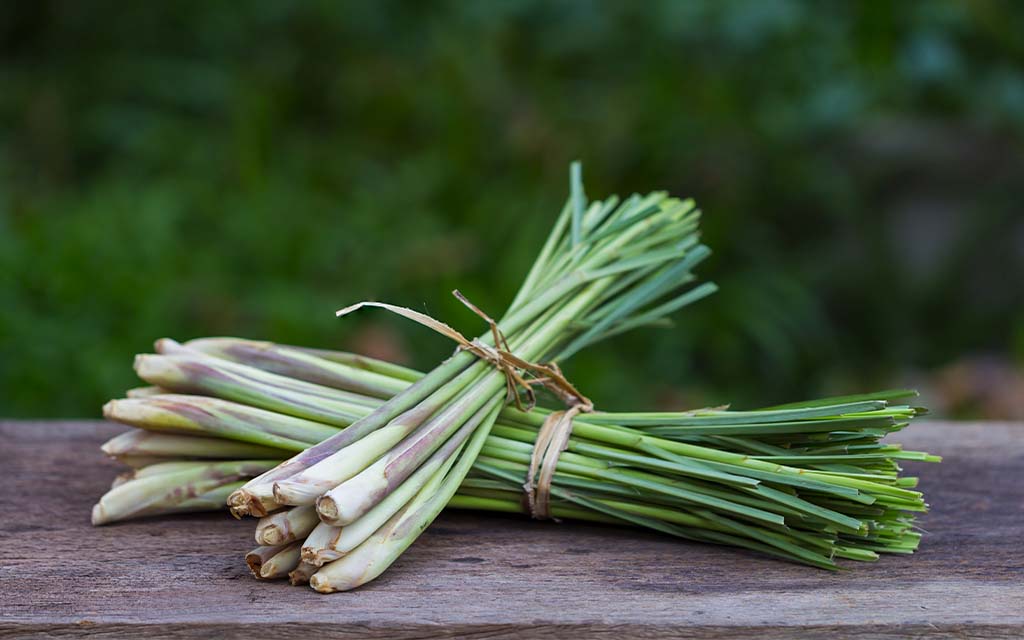
Lemongrass, often associated with citronella, can be simply distinguished from the rest with ease. Standing tall and straight, this aromatic plant has an irreplaceable lemon-like fragrance that can instantly feel refreshing. Its citrus flavour has also permanently fixed its place in Thai cooking and several Southeast Asian cuisines.
But lemongrass is not just a fragrant grass used in kitchens. From traditional wellness practices and herbal teas to skincare, aromatherapy, insect repellents and cultural rituals, lemongrass has travelled a long way to become a part of everyday life.
Key Takeaways
-
Lemongrass is an aromatic perennial grass scientifically known as Cymbopogon.
-
It is believed to have originated in tropical and subtropical regions of South Asia, Southeast Asia and Australia.
-
Lemongrass is valued for its fresh lemon aroma, citrus flavour and natural oils.
-
It is widely used in cooking, herbal teas, traditional wellness practices, skincare, massage oils and insect repellents.
-
Lemongrass contains bioactive compounds such as citral, geraniol, myrcene and limonene.
-
Lemongrass tea may support digestion, relaxation and overall wellness when consumed in moderation.
-
People who are pregnant, on medication, or allergic to lemongrass should consult a doctor before using it regularly.
-
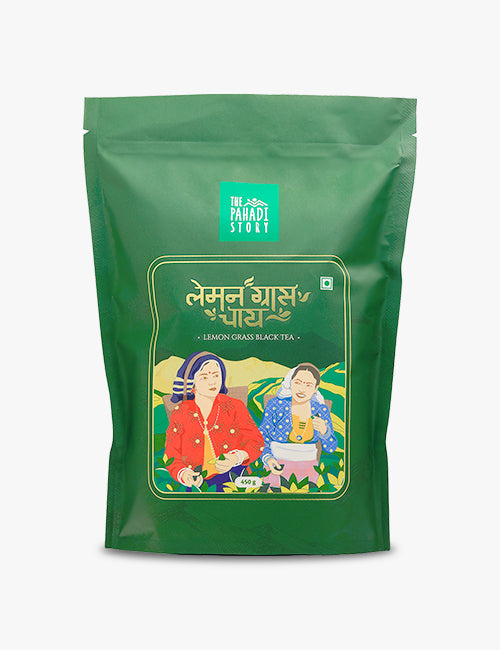
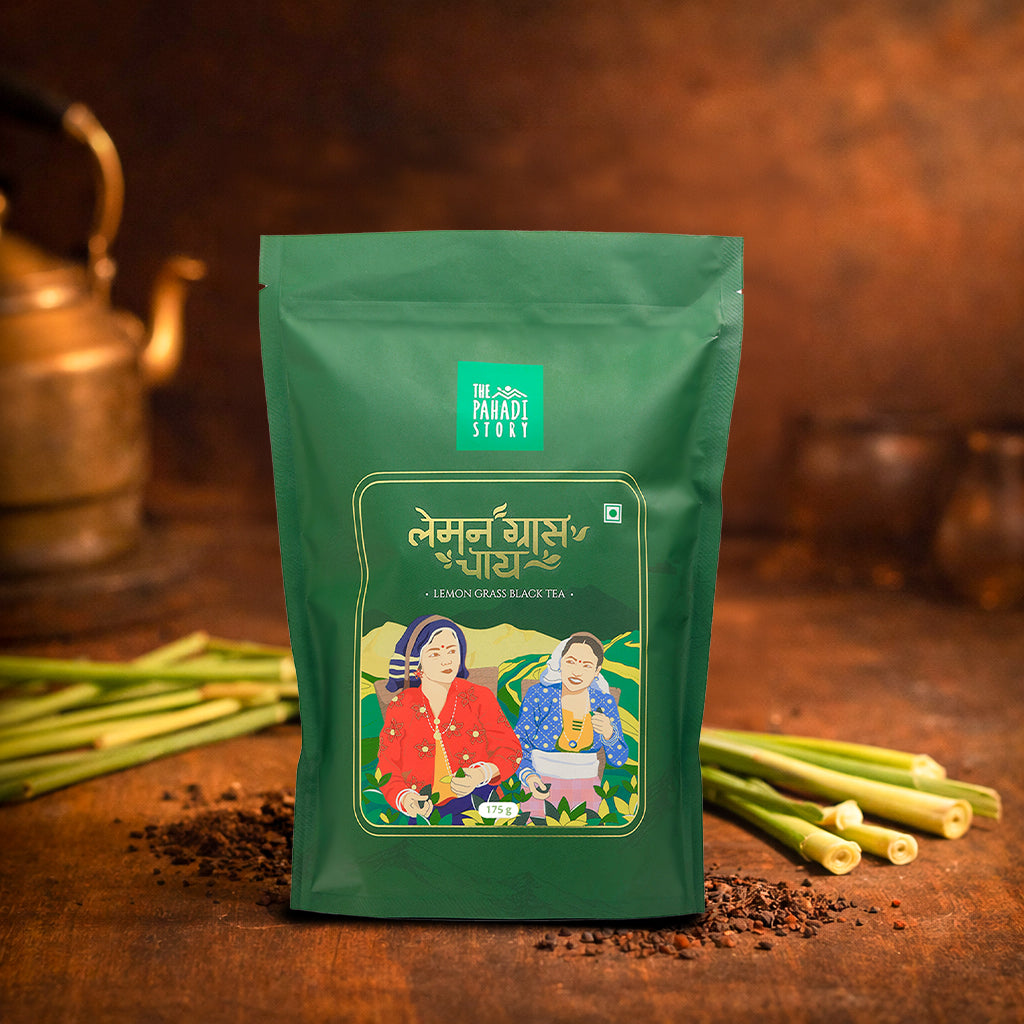
The Pahadi Story lemongrass tea offers a simple way to enjoy the natural taste and freshness of lemongrass in every sip.
What This Blog Covers
-
Origin of Lemongrass
-
Hidden Importance of Lemongrass
-
Scientific Name of Lemongrass
-
Different Names of Lemongrass Around the World
-
Uses of Lemongrass in Cooking, Wellness, Skincare and More
-
Health Benefits of Lemongrass
-
May Support Digestion
-
May Help with Pain Relief
-
May Support Immunity
-
May Help Reduce Stress
-
May Support Better Skin Health
-
Unique Lemongrass Tea
-
How to Make Lemongrass Tea
-
Ingredients of Lemongrass Chai
-
Instructions for Preparing a Cup of Lemongrass Tea
-
Precautions to Follow While Using Lemongrass
-
Hidden Facts About Lemongrass
-
Wrapping Up: Freshness in Every Sip
-
Frequently Asked Questions
Origin of Lemongrass
Symbolising purification, mental clarity and protection, lemongrass has travelled a long way to reach your kitchen. It is an aromatic perennial grass that was first seen in the tropical and subtropical regions of South Asia, Australia and Southeast Asia.
Over time, lemongrass became a part of many regional food cultures, especially in Southeast Asian cooking. Its lemon-like aroma, fresh flavour and natural oils made it useful not only in food but also in traditional wellness practices, aromatherapy and natural household uses.
Hidden Importance of Lemongrass
Besides its overpowering fresh lemon smell, this tall grass holds cultural and spiritual importance in several traditions. Lemongrass is often believed to clear negative energy from a space and invite positive vibrations.
It is also associated with mental clarity, freshness and purification. This is one reason why lemongrass is often used in aromatherapy, calming teas, spa rituals and wellness routines.
Scientific Name of Lemongrass
Scientifically, lemongrass is known as Cymbopogon.
The word Cymbopogon has an interesting meaning. It is believed to come from the Greek words kymbe, meaning boat, and pogon, meaning beard. Together, the name refers to the plant’s clustered inflorescences and boat-shaped leaves.
Different Names of Lemongrass Around the World
Travel the world, and you will learn how interestingly the name of lemongrass shifts from one region to another.
|
Region or Language |
Names Used for Lemongrass |
|
English |
Barbed wire grass, Cochin grass, citronella grass, fever grass, oily heads, Malabar grass, silky heads |
|
Spanish |
Pasto limón, te limón, zacate limón, hierba limón |
|
French |
Citronelle, verveine des Indes, herbe citron |
|
Brazil |
Capim-cidorao, erva-cidreira, capim-santo |
|
Indonesia and Malaysia |
Sereh, serai |
|
Vietnam |
Sa chanh |
|
Philippines |
Tanglad |
|
Myanmar |
Sabalin |
|
Hmong |
Tauj dub |
|
China |
Xiang mao |
|
Hindi |
Sera, verveine |
|
Telugu |
Nimmagaddi |
|
Marathi |
Lilacha |
|
Malayalam |
Injippullu, Vasanapullu |
|
Sanskrit |
Hari chhay, bhurtruna, bhustarah |
Uses of Lemongrass in Cooking, Wellness, Skincare and More
Have you ever been camping? If yes, you may have used or seen lemongrass as an insect repellent. The presence of citronella-like aromatic compounds makes it useful in insect repellents, disinfectants and several natural formulations.
But that is only one side of lemongrass. It serves several other purposes as well.
|
Use of Lemongrass |
How It Is Commonly Used |
|
Cooking |
Used for its citrus flavour and natural oils in soups, broths, marinades and Southeast Asian dishes |
|
Traditional wellness |
Used in different traditional practices across regions |
|
Aromatherapy |
Used for its refreshing aroma, often associated with relaxation and stress relief |
|
Herbal tea |
Used in calming brews, including lemongrass tea from The Pahadi Story |
|
Skincare |
Used in facial packs, skincare products and oil-control formulations |
|
Massage products |
Used in massage oils and wellness products |
|
Insect repellents |
Used because of its strong aroma and citronella-like compounds |
|
Household use |
Used in natural disinfectants, soaps and aromatic products |
Lemongrass is simply not just a tall grass. It is a versatile tropical plant blessed with several uses. It also contains bioactive compounds such as citral, geraniol, myrcene and limonene.
Health Benefits of Lemongrass
Lemongrass has several health benefits and has been traditionally used for wellness in several cultures. While many people consume it as tea or use it in aromatherapy and skincare, it is important to remember that herbal ingredients should be used with awareness.
The benefits below are best understood as potential or traditional benefits, not as medical treatment.
May Support Digestion
Lemongrass is believed to support digestive comfort. Many people consume it in different forms and associate it with reduced bloating, relief from stomach discomfort and better digestion.
It is also known for its diuretic properties, which means it may help the body release excess fluids. This is one reason lemongrass tea is often included in wellness routines.
May Help with Pain Relief
Lemongrass contains bioactive compounds such as myrcene, citral and limonene. These compounds are often associated with soothing and calming properties.
Traditionally, lemongrass has been used in oils and massage products for headaches, joint discomfort and muscle soreness. However, it should not be treated as a replacement for medical care.
May Support Immunity
Lemongrass contains natural plant compounds and is often associated with antimicrobial properties. It also contains nutrients such as vitamin C and zinc in small quantities.
Because of this, lemongrass is often used in traditional wellness routines, especially during seasonal changes. It may support general wellness when consumed in moderation as part of a balanced lifestyle.
May Help Reduce Stress
Did it ever happen to you that by breathing in a certain aroma while relaxing, you felt your stress slowly fade away? If yes, it may have happened during aromatherapy, meditation or a calming spa ritual.
The refreshing aroma of lemongrass may help create a sense of calm. This is why it is often used in aromatherapy oils, spa products and calming herbal teas.
May Support Better Skin Health
Skincare products with vitamin C and botanical extracts are already popular. Lemongrass is also used in several skincare formulations because of its natural astringent and antifungal properties.
When used properly in skincare products, lemongrass may help regulate excess oil and support the appearance of fresher-looking skin. However, direct application of essential oil should be done carefully, as some people may experience irritation.
Unique Lemongrass Tea
Lemongrass tea is loved for its refreshing aroma, light citrus flavour and soothing feel. It is believed to support overall wellness and may help relax the body.
For many people, lemongrass tea is not just a beverage. It becomes a calming ritual after meals, during work breaks, or in the evening when the body needs to slow down.
How to Make Lemongrass Tea
Making lemongrass tea is not time-consuming. With minimal effort, you can prepare a unique cup of lemongrass chai in about 15 minutes.
Ingredients of Lemongrass Chai
|
Ingredient |
Quantity or Note |
|
Fresh lemongrass stalks |
3–4 stalks |
|
Water |
3 cups to prepare around 2 cups of tea |
|
Ginger |
Optional, for taste and added warmth |
|
Sweetener |
1 tablespoon of sugar, jaggery or honey |
|
Cardamom |
Optional, for enhanced flavour |
|
Lemon juice |
Juice of half a lemon, optional |
Fresh lemongrass stalks are preferred because stale grass can affect the taste and aroma of the tea.
Instructions for Preparing a Cup of Lemongrass Tea
-
Start by rinsing the lemongrass stalks properly to remove any dirt.
-
Chop off the hard root portion and remove any dry parts.
-
Use the flat side of a heavy knife to gently smash the stalks. This helps release the fragrant essential oils.
-
Cut the stalks into 1–2 inch pieces.
-
Add water to a saucepan and bring it to a boil.
-
Add lemongrass pieces to the boiling water.
-
Add ginger, cardamom or any other preferred ingredient.
-
Reduce the heat, cover the pot and let it simmer for 5–10 minutes.
-
Turn off the heat and let it rest for another 5 minutes.
-
Strain the liquid using a sieve.
-
Add your preferred sweetener as per taste.
-
Squeeze lemon juice if you want a sharper citrus flavour.
-
Serve warm, or pour it over ice if you prefer it cool.
You can also simplify the process by using lemongrass tea from The Pahadi Story and enjoy the natural taste in every sip.
Precautions to Follow While Using Lemongrass
Lemongrass is widely used in food and tea, but a few precautions are important.
-
Some people may be allergic to lemongrass and should avoid it completely.
-
It may cause dry mouth or discomfort in some people. If this happens, stop using it.
-
Pregnant women should not start consuming lemongrass regularly without consulting their doctor.
-
People who are on medication should consult a doctor before adding lemongrass tea or lemongrass-based products to their routine.
-
Lemongrass essential oil should not be applied directly to the skin without proper dilution.
-
If you experience irritation, rashes, stomach discomfort or any unusual reaction, stop using it and seek medical advice.
The Botanical Name Has a Boat Connection
You may never have imagined that lemongrass could be associated with the origin of a “boat beard.” The botanical name Cymbopogon comes from the Greek words kymbe, meaning boat, and pogon, meaning beard.
Together, it refers to the clustered inflorescences of the plant and its boat-shaped leaves.
Lemongrass Leaves Can Be Sharp
Remember when you were a kid and your parents warned you not to play with everything? The same goes for lemongrass.
Lemongrass has silica in high quantities, which makes its leaf blades stiff and coarse. If handled carelessly, the leaves can cause paper-cut-like bruises on the fingers.
Lemongrass Can Repel Insects and Attract Honeybees
You already read how lemongrass is used in insect repellents because of its citronella-like aroma. But interestingly, lemongrass oil can also attract honeybees.
Honeybee catchers sometimes use lemongrass oil to attract swarms of bees.
Lemongrass Does Not Taste Exactly Like Lemon
While we often talk about the lemon aroma of lemongrass, its taste is not exactly sour, bitter or astringent.
When you taste it, you may notice lemon and lime notes with a soft touch of ginger and mint. This is what makes it so loved in teas, soups, broths and Asian recipes.
Wrapping Up: Freshness in Every Sip
Lemongrass has always been one of the most loved and preferred grasses across food, wellness and traditional practices. For plant lovers, growing a beautiful garden full of polished herbs can feel like a dream. For food lovers, lemongrass brings fresh flavour to broths, soups and curries. For tea lovers, it offers a calming cup that feels light, refreshing and naturally aromatic.
Drinking lemongrass tea while relaxing in your armchair may help you slow down and feel refreshed. Its lemon-like aroma, gentle flavour and traditional wellness value make it a beautiful addition to your daily routine when used in moderation.
The sourness of lemon, the freshness of herbs and the traditional benefits of lemongrass can all come together in one warm cup of lemongrass tea.
Sip it slowly.
Frequently Asked Questions
What is the right time to drink lemongrass tea?
The right time to drink lemongrass tea depends on your goal. If you want to drink it for digestive comfort and a refreshing start, you can have it in the morning. If you want to reduce heaviness or bloating after meals, you can drink it after eating. Many people also enjoy it in the evening as a calming caffeine-free beverage.
How much lemongrass tea can be drunk in a day?
For most healthy adults, 1–3 cups of lemongrass tea in a day is usually considered moderate. It is advisable to start with 1 cup and observe how your body responds. If you are pregnant, on medication, or have any health condition, consult your doctor before drinking it regularly.
Is lemongrass tea caffeine-free?
Yes, lemongrass tea is naturally caffeine-free. This makes it a good herbal tea option for people who want a refreshing drink without caffeine. However, if lemongrass is blended with regular tea leaves, then the final drink may contain caffeine.
Can I drink lemongrass tea on an empty stomach?
Many people drink lemongrass tea on an empty stomach because it is light and refreshing. However, everyone’s body responds differently. If you feel acidity, discomfort or dryness, it is better to drink it after food or consult a health professional.
How many calories are there in lemongrass tea?
Plain lemongrass tea is naturally very low in calories. The calories mainly come from what you add to it, such as sugar, honey or jaggery. If you drink it without sweetener, it can be a light and refreshing beverage.
Is lemongrass tea good for digestion?
Lemongrass tea is traditionally used to support digestion and reduce bloating. Its warm, aromatic nature makes it a popular after-meal beverage. However, it should not be treated as a cure for digestive problems.
Can pregnant women drink lemongrass tea?
Pregnant women should consult a doctor before drinking lemongrass tea regularly. Herbal ingredients may not be suitable for everyone during pregnancy, and medical guidance is important before adding anything new to the routine.
What does lemongrass tea taste like?
Lemongrass tea has a fresh, citrus-like taste. It is not as sour as lemon. Instead, it has soft lemon and lime notes with a mild hint of ginger and mint. This makes it refreshing, light and easy to sip.